
Understanding the Function of a Water Treatment Plant
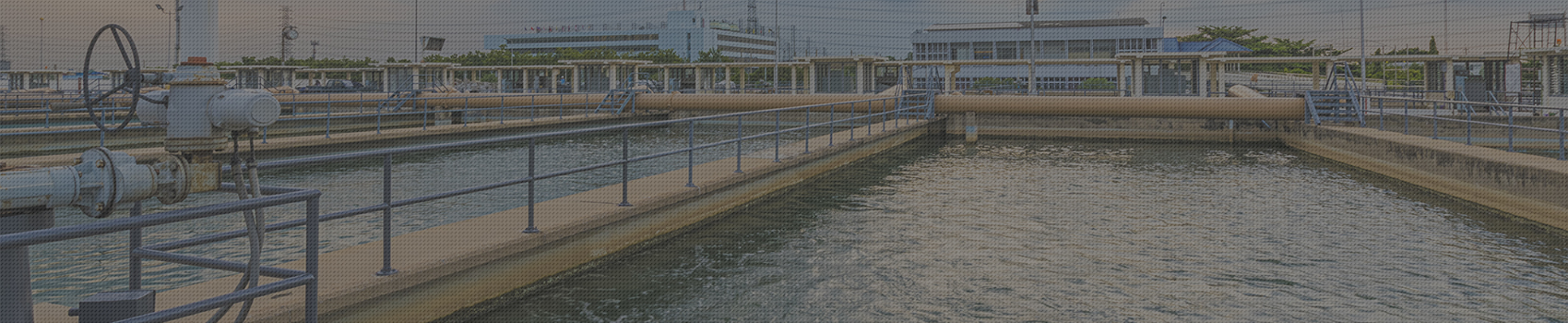
Water treatment plants are essential facilities designed to purify water, making it safe for consumption and use in various applications. These plants employ a series of processes such as filtration, sedimentation, and disinfection to remove contaminants and pathogens. The importance of water treatment plants cannot be overstated as they ensure a sustainable supply of clean water for communities worldwide. Moreover, these plants play a pivotal role in water conservation, helping to manage and recycle water resources effectively. For more detailed information on how these systems operate, visit Water Treatment Plant.
The Necessity of Wastewater Treatment
Wastewater treatment is a critical environmental protection measure that involves the removal of impurities from used water before it is released back into the environment. This process prevents pollution, protects aquatic life, and safeguards public health. Modern wastewater treatment facilities employ various methods like biological treatment and chemical processes to achieve high levels of purification. The treated water can then be safely discharged or even reused for certain purposes. Explore the comprehensive methods involved in wastewater treatment by checking wastewater treatment.
Wastewater Treatment in the Food Industry
The food industry generates a significant amount of wastewater, which contains organic matter, oils, and other pollutants. Effective wastewater treatment in the food industry is vital to prevent environmental contamination and adhere to regulatory standards. Treatment processes typically include physical, chemical, and biological techniques tailored to handle the specific types of waste produced. This not only helps in reducing the environmental footprint but also aids in water recycling within the industry. For a detailed guide on the processes involved, refer to wastewater treatment in the food industry.
Challenges and Solutions in Wastewater Treatment for the Automobile Industry
The automobile industry faces unique challenges in wastewater treatment due to the presence of hazardous chemicals and heavy metals. Effective treatment processes are essential to prevent these substances from entering natural water bodies. Strategies include advanced filtration systems, chemical neutralization, and biological treatment methods. By implementing these solutions, the industry can achieve compliance with stringent environmental regulations and contribute to sustainable industrial practices. Discover more about these innovative solutions at wastewater treatment in the automobile industry.
- Ensures safe water for public use
- Reduces environmental pollution
- Supports industrial compliance
- Promotes resource recycling
- Enhances public health protection
Frequently Asked Questions
1. What is the main purpose of a water treatment plant?
The primary purpose of a water treatment plant is to purify water to make it safe for human consumption and other uses by removing contaminants and pathogens.
2. Why is wastewater treatment important?
Wastewater treatment is crucial for preventing pollution, protecting aquatic ecosystems, and ensuring public health by treating used water before it is released back into the environment.
3. How does the food industry handle wastewater?
The food industry employs physical, chemical, and biological treatment techniques to manage wastewater, ensuring compliance with environmental standards and reducing its ecological impact.
4. What challenges does the automobile industry face in wastewater treatment?
The automobile industry must address the treatment of hazardous chemicals and heavy metals in wastewater through advanced filtration and chemical processes to comply with environmental regulations.
5. Can treated wastewater be reused?
Yes, treated wastewater can be reused for various purposes, such as irrigation and industrial processes, depending on the level of treatment it has undergone.