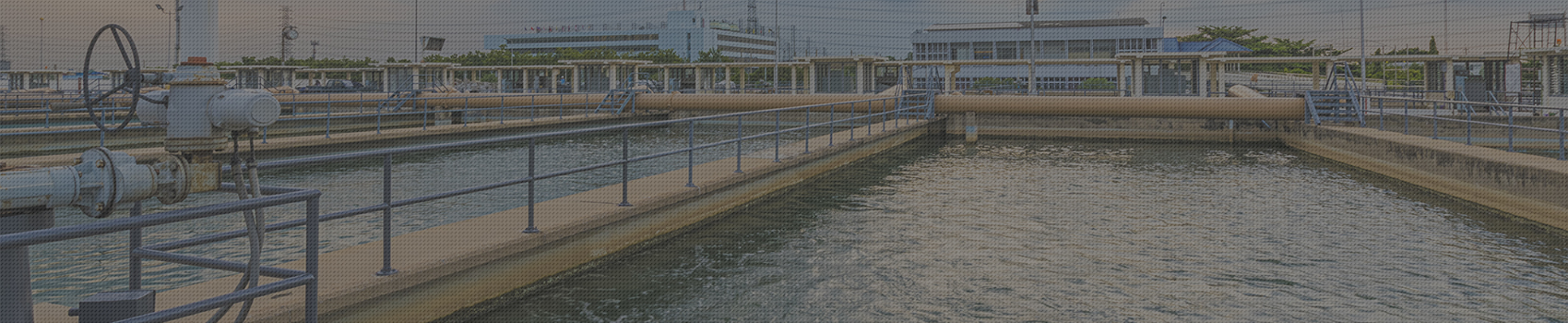

Water Treatment Plant
Water treatment plants play a crucial role in ensuring that water is safe for consumption and use. These facilities are designed to remove contaminants and impurities from raw water sources, such as rivers, lakes, and groundwater. The treatment process typically involves several stages, including coagulation, sedimentation, filtration, and disinfection. Each step is vital in removing different types of pollutants and ensuring the water meets stringent safety standards. For more information on the significance of these processes, check out the importance of water treatment processes.
Wastewater Treatment
Wastewater treatment is another essential component of water management. The primary goal is to remove as many solids as possible before the remaining water, known as effluent, is discharged back into the environment. This process helps in reducing water pollution and protecting aquatic life. Key stages in wastewater treatment include primary, secondary, and tertiary treatment, each designed to remove different types of contaminants. For a deeper understanding, visit this resource on water treatment processes.
Wastewater Treatment in the Food Industry
The food industry generates a significant amount of wastewater, which requires specialized treatment processes. This is because the wastewater often contains high levels of organic matter, fats, oils, and grease. Effective treatment systems are critical to ensuring that this wastewater does not harm the environment. Typical methods include biological treatment and advanced oxidation processes. Key benefits of proper wastewater management in the food industry include reduced environmental impact and compliance with regulatory requirements. Consider reviewing this article about wastewater treatment for more detailed insights.
Wastewater Treatment in the Automobile Industry
The automobile industry also faces unique challenges when it comes to wastewater treatment. This sector generates wastewater that contains heavy metals, oils, and other hazardous substances. Implementing an efficient treatment system is crucial to prevent these pollutants from entering water bodies. Common treatment methods include chemical precipitation, membrane filtration, and biological treatment. These techniques help in effectively removing contaminants and ensuring that the wastewater meets environmental standards. To learn more about industrial wastewater treatment, see this comprehensive guide.
Key Benefits of Effective Water Treatment
Effective water treatment offers numerous benefits, including:
- Ensuring safe drinking water for communities.
- Reducing environmental pollution.
- Protecting aquatic ecosystems.
- Complying with regulatory standards.
- Promoting sustainable water management.
FAQs
1. What is the main purpose of a water treatment plant?
The main purpose of a water treatment plant is to purify raw water to make it safe for human consumption and use.
2. Why is wastewater treatment important?
Wastewater treatment is important because it removes contaminants, reduces pollution, and protects the environment.
3. How does the food industry manage its wastewater?
The food industry manages its wastewater through biological treatment and advanced oxidation processes to remove organic pollutants.
4. What are common pollutants in automobile industry wastewater?
Common pollutants in automobile industry wastewater include heavy metals, oils, and hazardous substances.
5. What are the stages of wastewater treatment?
The stages of wastewater treatment include primary, secondary, and tertiary treatment, each targeting different contaminants.