Environment Pollution Control
- Home
- Environment Pollution Control
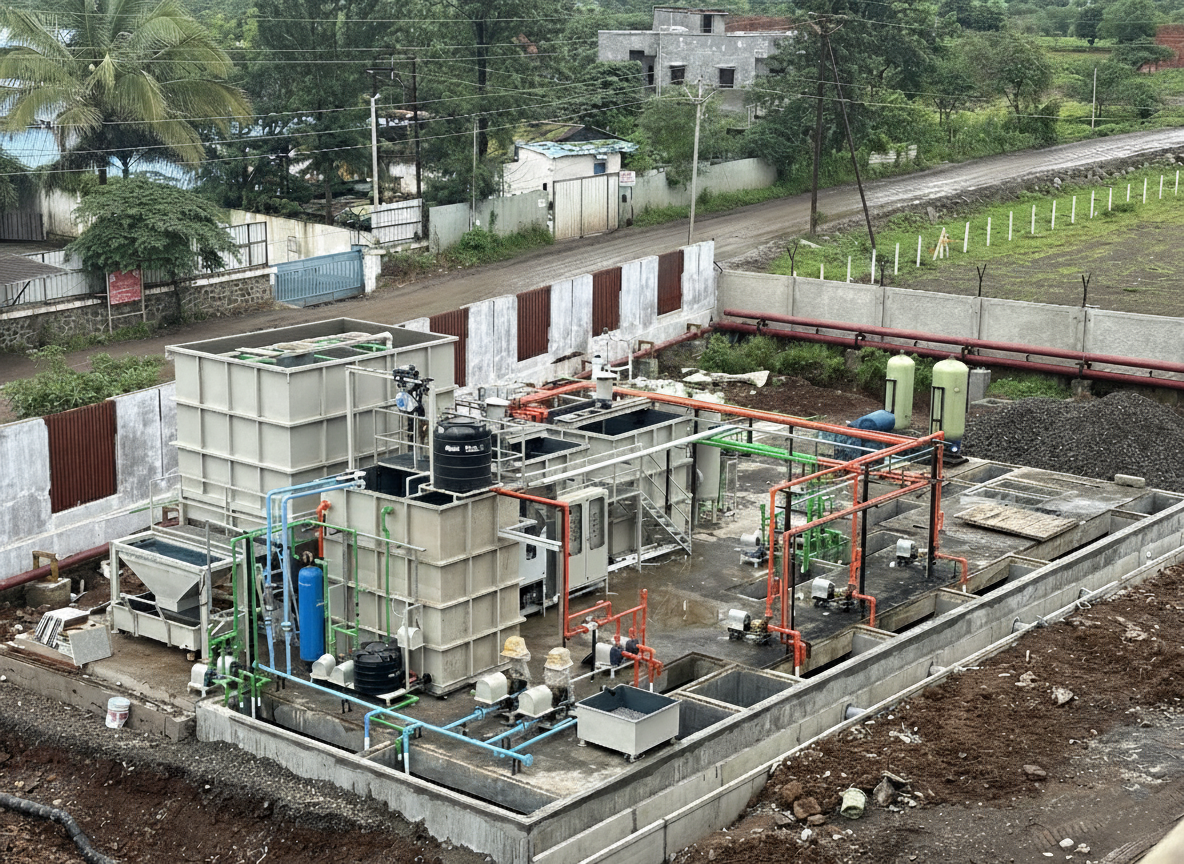
Environmental pollution control refers to the methods, technologies, and systems used to prevent, reduce, and eliminate pollutants from air, water, and soil. Industries across sectors are increasingly adopting advanced pollution control solutions to comply with environmental regulations, improve sustainability, and create safer workplaces. Effective environmental pollution control not only protects natural resources but also enhances operational efficiency and strengthens a company's environmental responsibility.
Modern industries generate different types of pollutants during manufacturing processes. Without proper treatment, these pollutants can adversely affect human health, ecosystems, and regulatory compliance. Therefore, investing in efficient pollution control systems has become an essential requirement for industries aiming for sustainable growth. Discover our Air Pollution Control Equipment, Effluent Treatment Plants (ETP), and Water Treatment Solutions.
Environmental pollution control involves the collection, treatment, and safe disposal of pollutants before they are released into the environment. It includes technologies designed to manage:
These systems help industries meet government pollution norms while minimizing their environmental footprint.
Implementing environmental pollution control measures provides numerous benefits for industries and communities alike.
Protects Public Health
Proper pollution control minimizes exposure to harmful chemicals, airborne particles, and contaminated water that can cause respiratory illnesses, skin diseases, and other health issues.
Ensures Regulatory Compliance
Industries must comply with pollution control board regulations and environmental standards. Efficient pollution control systems help avoid legal penalties, operational disruptions, and compliance issues.
Conserves Natural Resources
Water recycling, wastewater treatment, and emission control systems reduce resource consumption while protecting rivers, lakes, groundwater, and air quality.
Improves Operational Efficiency
Modern treatment technologies enable water reuse, energy savings, reduced waste generation, and optimized production processes.
Supports Sustainable Development
Environmental pollution control promotes responsible industrial growth while balancing economic development with environmental conservation.
Air pollution results from industrial emissions, smoke, dust, volatile organic compounds (VOCs), toxic gases, and particulate matter released into the atmosphere from manufacturing, chemical, boiler, power, cement, and metal units.
Air pollution control equipment includes:
Industrial wastewater contains suspended solids, chemicals, heavy metals, oils, grease, and organic contaminants requiring proper treatment before discharge.
Water pollution control systems include:
Improper disposal of industrial waste, sludge, chemicals, and hazardous materials contaminates soil and groundwater. Effective control involves safe disposal, hazardous waste management, sludge treatment, chemical stabilization, and material recycling.
Water Treatment Systems: Removes impurities from raw water for cooling systems, boiler feed water, process water, drinking water, pharmaceutical, and food production.
Wastewater Treatment Plants: Removes contaminants from industrial effluents through physical, chemical, and biological processes before safe discharge or reuse (Screening, Equalization, Coagulation, Flocculation, Clarification, Biological Treatment, Filtration, Disinfection).
Air Pollution Control Systems: Captures dust, gases, smoke, fumes, and harmful pollutants before atmospheric release (Wet Scrubbers, Packed Bed Scrubbers, Venturi Scrubbers, Dust Collectors, Bag Houses).
Environmental pollution control involves technologies and systems used to reduce, treat, and safely manage pollutants generated from industrial and commercial activities. It includes air pollution control, water treatment, wastewater treatment, sludge management, and waste disposal solutions.
It helps industries comply with environmental regulations, protect public health, conserve natural resources, improve operational efficiency, and reduce environmental impact.
Industries such as pharmaceuticals, chemicals, food processing, textiles, engineering, power generation, automobile manufacturing, paper mills, and steel plants commonly require pollution control systems.
Typical systems include Water Treatment Plants (WTP), Effluent Treatment Plants (ETP), Sewage Treatment Plants (STP), Air Pollution Control Systems, Scrubbers, Dust Collectors, Sludge Treatment Systems, and Water Recycling Units.
Yes. With advanced treatment technologies such as Reverse Osmosis (RO), Ultrafiltration (UF), and biological treatment, treated wastewater can often be reused for industrial processes, cooling systems, gardening, and other non-potable applications.
Environmental pollution control is essential for industries aiming to achieve regulatory compliance, operational efficiency, and sustainable growth. Whether you require a Water Treatment Plant (WTP), Effluent Treatment Plant (ETP), Sewage Treatment Plant (STP), Air Pollution Control System, Scrubber, or Sludge Treatment System, Sam Enviro delivers customized turnkey solutions.
Contact Sam Enviro today to discuss your environmental pollution control requirements and receive a customized solution designed for your facility.